
Executive protection has traditionally focused on physical security measures for high-profile individuals. However, the landscape is rapidly changing as new technologies emerge, threat vectors evolve, and work patterns shift in a post-pandemic world. In 2026, executive protection professionals must adapt to these changes to provide comprehensive security solutions.
The Evolution of Threat Landscapes
The nature of threats facing executives has expanded beyond physical dangers. Today's protection teams must consider a broader range of risks including cyber threats, reputation management, and psychological safety. The convergence of physical and digital security is becoming increasingly critical.
"The most effective executive protection in 2026 isn't just about reacting to threats—it's about anticipating them through intelligence and technology integration."
With the rise of hybrid work environments, executives now operate across multiple locations—corporate offices, home offices, co-working spaces, and while traveling. This dispersion creates new security challenges that require flexible, adaptable protection strategies.
Key Trends in Executive Protection
1. Intelligence-Driven Security Operations
Modern executive protection relies heavily on intelligence gathering and analysis. Protection teams now use:
- Open-source intelligence (OSINT): Monitoring social media, news, and public databases for potential threats
- Cyber threat intelligence: Tracking digital threats targeting executives and their organizations
- Predictive analytics: Using AI and machine learning to identify potential security risks before they materialize
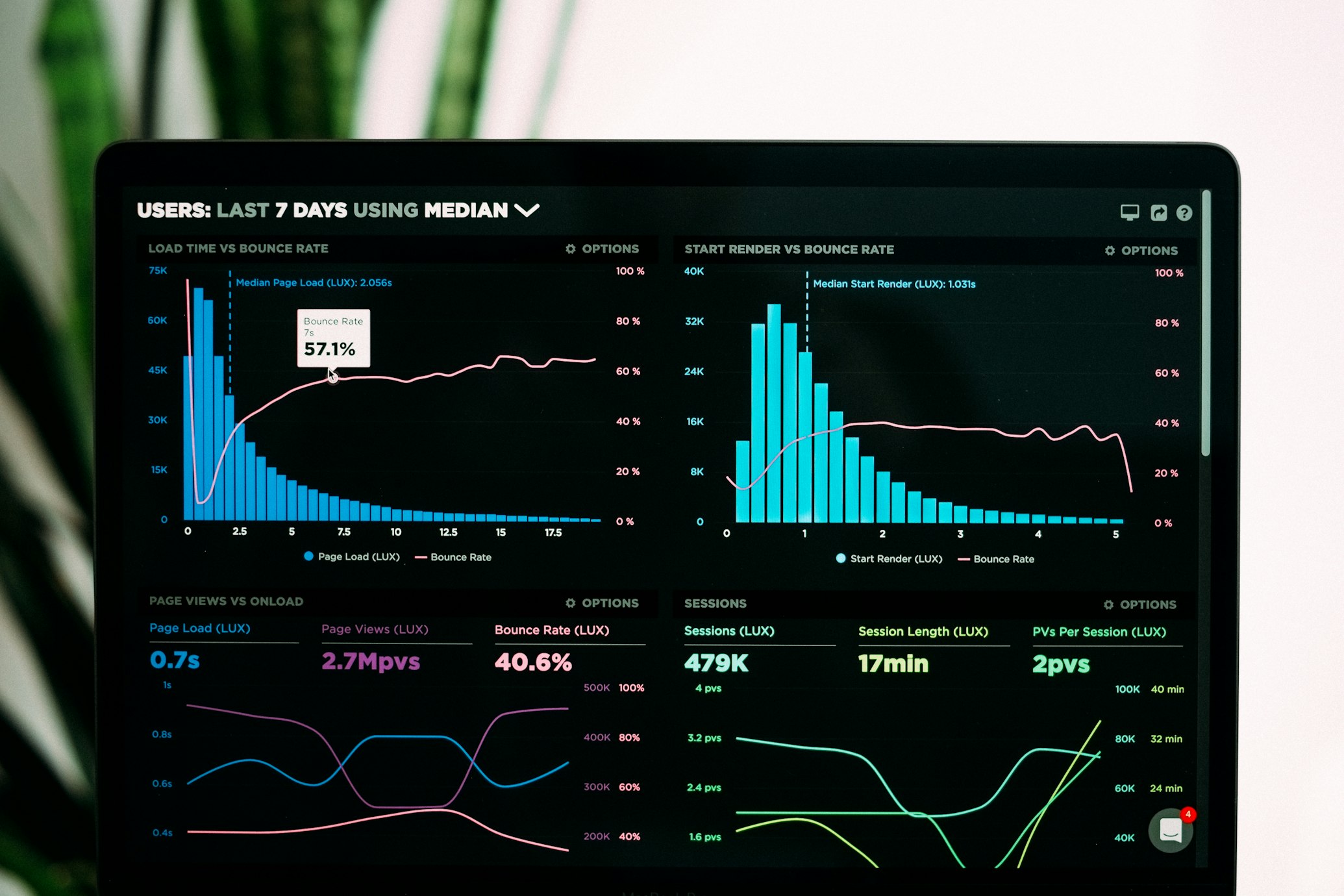
Advanced intelligence monitoring systems provide real-time threat assessment for executive protection teams.
2. Technology Integration
Technology is transforming how protection teams operate:
- Wearable technology: Smart devices that monitor health metrics and location while providing discreet communication
- Advanced surveillance systems: AI-powered cameras that can detect unusual behavior patterns
- Secure communication platforms: Encrypted apps and devices for confidential communication
- Drone surveillance: Aerial monitoring for route planning and venue security assessment
3. Hybrid Work Environment Adaptation
The shift to hybrid work models requires new approaches to executive protection:
- Home office security assessments: Comprehensive evaluations of residential security measures
- Virtual executive protection: Cybersecurity measures for remote work environments
- Flexible protection teams: Smaller, more agile teams that can adapt to changing schedules and locations
The Role of AI in Executive Protection
Artificial intelligence is revolutionizing executive protection in several key areas:
Predictive Threat Analysis
AI algorithms can analyze vast amounts of data to identify potential threats before they become imminent dangers. This includes monitoring social media for threatening language, analyzing travel patterns for risk assessment, and identifying vulnerabilities in daily routines.
Biometric Security Systems
Advanced biometric systems provide enhanced security for executives' residences, offices, and vehicles. Facial recognition, voice authentication, and behavioral biometrics offer multi-layered protection that's difficult to compromise.

Modern biometric systems provide seamless yet secure access control for protected individuals.
Best Practices for Modern Executive Protection
Based on current trends and emerging technologies, here are best practices for executive protection in 2026:
1. Comprehensive Risk Assessment
Regular, thorough risk assessments that consider both physical and digital threats. This should include analysis of daily routines, travel patterns, digital footprint, and potential adversaries.
2. Technology Integration Strategy
Develop a clear strategy for integrating new technologies into existing protection protocols. This includes training protection teams on new systems and ensuring technology complements rather than replaces human judgment.
3. Continuous Training and Development
Protection teams require ongoing training in new technologies, threat assessment methodologies, and adaptive response strategies. This includes cross-training in cybersecurity basics for physical protection specialists.
4. Privacy and Discretion Balance
While technology enhances security, it must be balanced with privacy considerations. Protection measures should be effective without being intrusive or compromising the executive's ability to conduct business normally.
Conclusion
The future of executive protection lies in the integration of human expertise with advanced technology, intelligence-driven operations, and flexible strategies that adapt to changing work patterns. By embracing these trends, protection teams can provide more comprehensive, effective security for high-profile individuals in 2026 and beyond.
The most successful executive protection programs will be those that balance traditional physical security expertise with modern technological capabilities, creating a holistic approach that addresses the full spectrum of contemporary threats.
Share this article:

Related Articles


Comments (3)
John Anderson
Excellent analysis of current trends. The point about hybrid work environments is particularly relevant—we've had to completely rethink our executive protection protocols for remote work scenarios. The integration of cyber and physical security is no longer optional.
Sarah Chen
Great article! I'd love to see more detail on the AI applications you mentioned. We're exploring predictive analytics for threat assessment but finding it challenging to balance with privacy concerns. Any recommendations on vendors or platforms?
Robert Williams
As a corporate security director, I appreciate the comprehensive approach outlined here. We've implemented several of these strategies with positive results. The biggest challenge remains getting executives to understand the evolving nature of threats beyond just physical security.
Leave a Comment